

Subscribe by Email

Your email:

Posts by Month

Follow Controlled Rain

Current Articles | RSS Feed RSS Feed

Why Use a Rain and Freeze Sensor on your Sprinkler System?


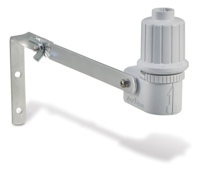
RainBird Rain Sensor resized 600With our Washington weather, you never know if the weather will be freezing out or sunny one minute and rainy the next. 

Have peace of mind knowing you are:

  •       Watering when it’s nice outside, not raining or freezing out
  •       Preventing overwatering
  •       Conserving water
  •       Saving money on water bills   
  •       Preventing possible hazards

Rain Sensor:

With a rain sensor, you can have security knowing that you are only watering when it’s needed.  The sensor has a removable tipping rain bucket that measures the rainfall.  You can adjust the sensor to automatically stop watering when the bucket is filled to an 1/8" up to 3/4".

Rain/Freeze Sensor Combo:

The Rain/Freeze sensor is programmable.  Most people set it at 35 degrees to turn off the system.  This helps prevent possible hazards to pedestrians with icy sidewalks and damage to your sprinkler system and landscape. 

Either the Rain Sensor or Rain and Freeze Sensors connect to most sprinkler controllers.  It’s not too late to install the sensor this year.

  add-a-rain-and-freeze-sensor-today


Blog

Current Articles | RSS Feed RSS Feed

5 Common Items to Check when turning on Sprinkler System in Spring


After your sprinkler system water lines have been recharged with water.  These items should be inspected immediately:

  1. Spring Startup CTAs smallWater Lines Look for breaks in the water lines.  Water bubbling up under grass, bark or shrubs; or a lot of water forming puddles in these specified areas is a sure sign of a broken pipe.
  2. Sprinkler Heads Check each sprinkler head to make sure there aren’t any breaks or buried with grass or dirt. This could be water shooting straight up like a geyser, the sprays will be erratic, or there may not be any water coming out of sprinkler head at all.  Be sure to adjust all spray heads to water your plants, shrubs, and yard and not hard surfaces like walkways, driveways, or your house.
  3. Nozzles Check Nozzles to make sure not broken or plugged. Grass grows over the sprinklers and plugs up the nozzles. 
  4. Valves Check each valve box for any breaks or leakage; sometimes critters get in there and make a mess with the wires and gophers like to make mounds of dirt to cover the valves.  Clean out valve boxes and make sure the valves are working properly.  If there is a lot of water in your box check valves and pipe coming into box for breaks. 
  5. Controller Check to make sure the Controller still has its program from the last season and replace the batteries.  Make sure you have the proper watering schedule set up.

If you have any problems with one of these items, give us a call and we would be happy to come out and assist you with your efforts. 

All Posts